Written by: Salokaya
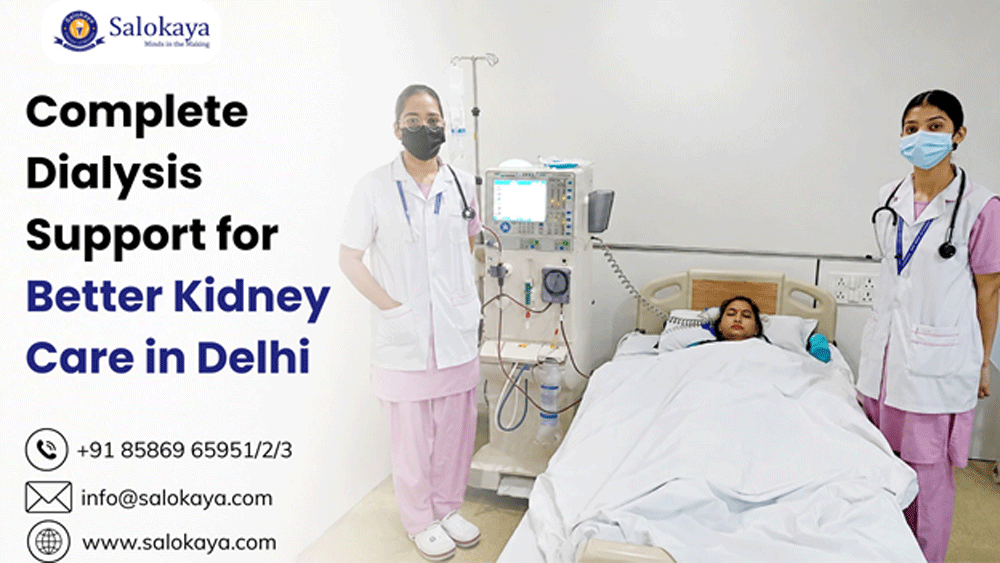
Dialysis isn't a one-time decision. It's a routine that shapes a patient's week, sometimes for years, and the hospital behind that routine matters more than most families realize until they're already in it. Comfort counts for more than people expect going in. So does consistency — the same faces, the same routine, week after week. A care team that actually remembers your name turns dialysis from something a patient dreads into something they can just get through.
Equipment matters, obviously. Nobody's arguing otherwise. So does something harder to measure — how a nursing team handles a bad day, a missed vein, a patient who's anxious before every single session. A best quality dialysis hospital gets both right. Not just the machines lined up in a clean room, though that part matters too. Staff turnover is worth asking about, quietly, almost as an aside during a facility tour. A center where the same nurses see the same patient’s week after week tends to catch subtle changes in condition faster than one running on a constantly rotating team.
Ask about infection control protocols directly, and watch how specific the answer is. The best dialysis hospital in Delhi will walk you through their water treatment system without hesitating. Dialyzer reuse policy comes up naturally too, if they're being straight with you. Staff-to-patient ratios shouldn't need a follow-up question either. Vague reassurance usually means there's not much behind it. Emergency backup matters here too — what happens if a machine fails mid-session, or a patient has a reaction? A hospital with a clear answer to that question, rehearsed rather than improvised, tends to be one that's actually thought it through.
Session timing flexibility matters for working patients and caregivers juggling other responsibilities. A best dialysis center in Delhi that offers morning, afternoon, and evening slots takes real pressure off a family's schedule, not just the patients. Comfortable seating, a calm environment, and staff who explain what's happening rather than working in silence all add up over months of repeat visits, even if none of it shows up on a brochure.
Distance adds up fast for anyone doing three sessions a week. Dialysis in Rohini cuts travel time significantly for patients living across North West Delhi, and that convenience compounds over months of regular visits. Tired patients shouldn't also be exhausted commuters. Local access matters for caregivers too, who often need to arrange transport, take time off work, or manage other family responsibilities around every single session.
Cost shouldn't force a choice between treatment and quality. Cheapest dialysis in Delhi doesn't have to mean corners cut on hygiene or monitoring. Transparent pricing, upfront, before treatment starts, tends to separate honest centers from ones that add surprise charges later. Ask specifically what's included in a quoted session price, since consumables, lab work, and consultation fees sometimes get billed separately without much warning.
Kidney failure dialysis works best as part of a broader care plan, not an isolated procedure. Nutrition guidance, regular bloodwork review, and a nephrologist who's actually involved week to week catch complications early, before they turn into hospital admissions. Fluid management and diet adjustments often matter as much as the dialysis session itself, and a center that treats those as part of ongoing care, not an afterthought, tends to see fewer emergency visits among its patients.
Choosing where to receive dialysis is rarely just about proximity or price. It's about trust-built session after session, with a team that treats consistency as seriously as the equipment itself. At Salokaya, that's the standard we hold every dialysis session to, and it's the same standard we'd want for our own families.
Clean, well-maintained equipment paired with an attentive, consistent care team — both matter equally.
Ask direct questions about infection control and staffing ratios. Vague answers are a red flag.
Shorter travel time for patients across North West Delhi, which matters a lot over months of regular sessions.
Yes, when pricing is transparent upfront, and hygiene standards aren't quietly reduced to cut costs.
Typically three sessions a week, though frequency depends on the individual patient's kidney function and doctor's assessment.


Leave a Reply
Your email address will not be published. Required fields are marked
Comments